SEA-Quester
Current (2025–present) · EU Grant #101136480
The Arctic seafloor stores vast amounts of carbon. As sea ice retreats and temperatures rise, the species living there are shifting — and we don't know what that means for this carbon sink. I'm investigating how changes in biodiversity translate into changes in ecosystem function in some of the ocean's most rapidly transforming environments.
SEA-Quester investigates marine carbon cycling in novel ecosystems in the polar seas that are emerging due to climate change. Melting sea ice, changing currents, and a warmer ocean are already changing species distribution, behaviour, and metabolism. The project addresses how these changes will impact marine biodiversity and ecosystem functions and services, like carbon sequestration, in the polar seas. Understanding these impacts is crucial for meeting biodiversity and climate change mitigation targets.
Learn more
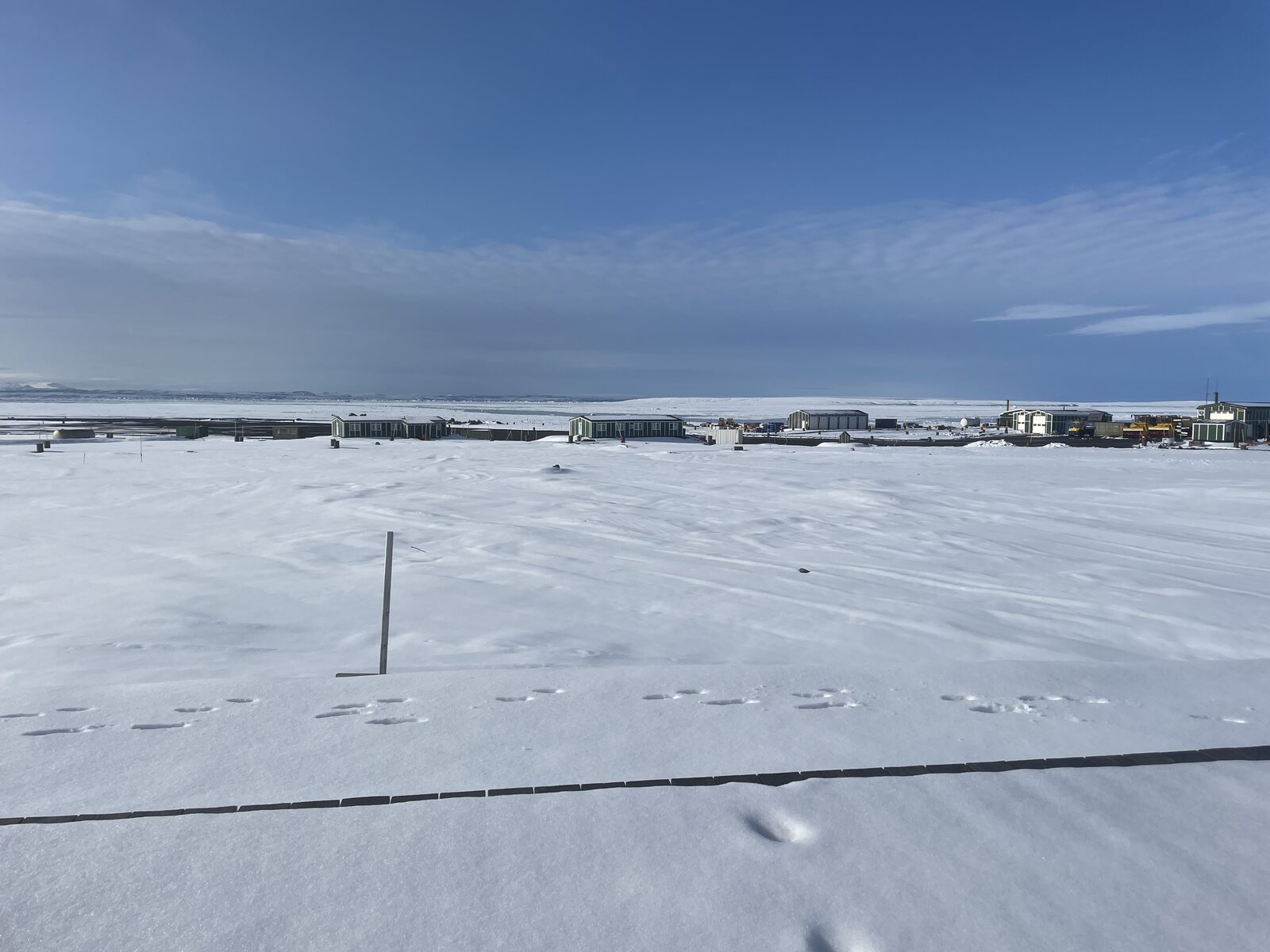
Station Nord 2026 Expedition
August 2026 · SEA-Quester · EU Grant #101136480
In August 2026 I spent two weeks at Villum Research Station in NE Greenland, at around 81°N, sampling the animals that live in the seafloor. Sea ice decided where and when our small boat could go out, so the plan changed day by day. The samples will show how much these communities help store carbon in the seabed, and how they compare with sites already sampled in Svalbard.
Led soft-sediment benthic sampling at Prinsesse Ingeborg Halvø, NE Greenland (~81.6°N), including Van Veen grab sampling, sediment processing and water column profiling. Macrofaunal community composition feeds bioturbation potential (BPc; Solan et al. 2004) and functional trait analysis, paired with sediment organic carbon and grain size from the same stations. Station Nord is the second Arctic coastal gradient site alongside Woodfjorden (NW Svalbard), testing whether the trait–carbon relationship holds under a more severe ice regime.
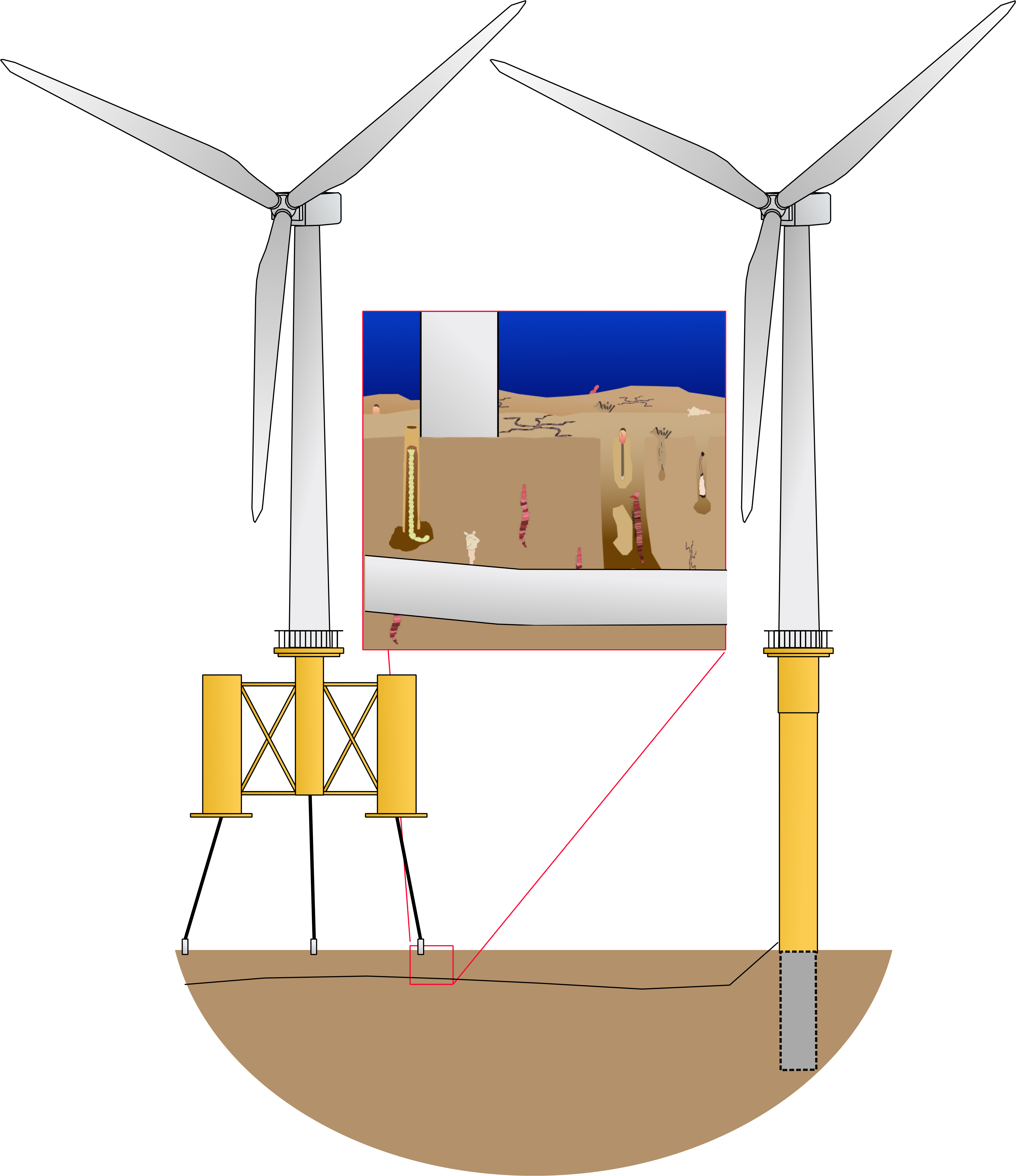
Benthic-Offshore Wind Interactions Evaluation (BOWIE)
Ongoing · PDRA 2024–2025 · NERC Grant #NE/X008991/1
Offshore wind farms are expanding rapidly across UK and European waters. We don't yet know how their electromagnetic fields, underwater noise, and physical structures affect the seafloor communities that underpin broader ocean health. This year-long controlled experiment found that ecological responses depend critically on the prior history of the site — with direct implications for how impact assessments are designed and where mitigation is needed.
The ECOWind BOWIE project addresses the impact of offshore wind expansion on marine ecosystems and biodiversity, aiming to support sustainable decision-making. Using environmental research and stakeholder engagement, it fills knowledge gaps and aids in implementing robust approaches to offshore wind development. Autonomous underwater vehicles survey seabed habitats, while engagement with stakeholders helps understand decision-making uncertainties. BOWIE facilitates alignment between offshore wind expansion and marine spatial planning pressures, promoting biodiversity and environmental recovery.
Findings contribute to evidence frameworks informing offshore wind environmental impact assessment across the UK Continental Shelf.
Learn more
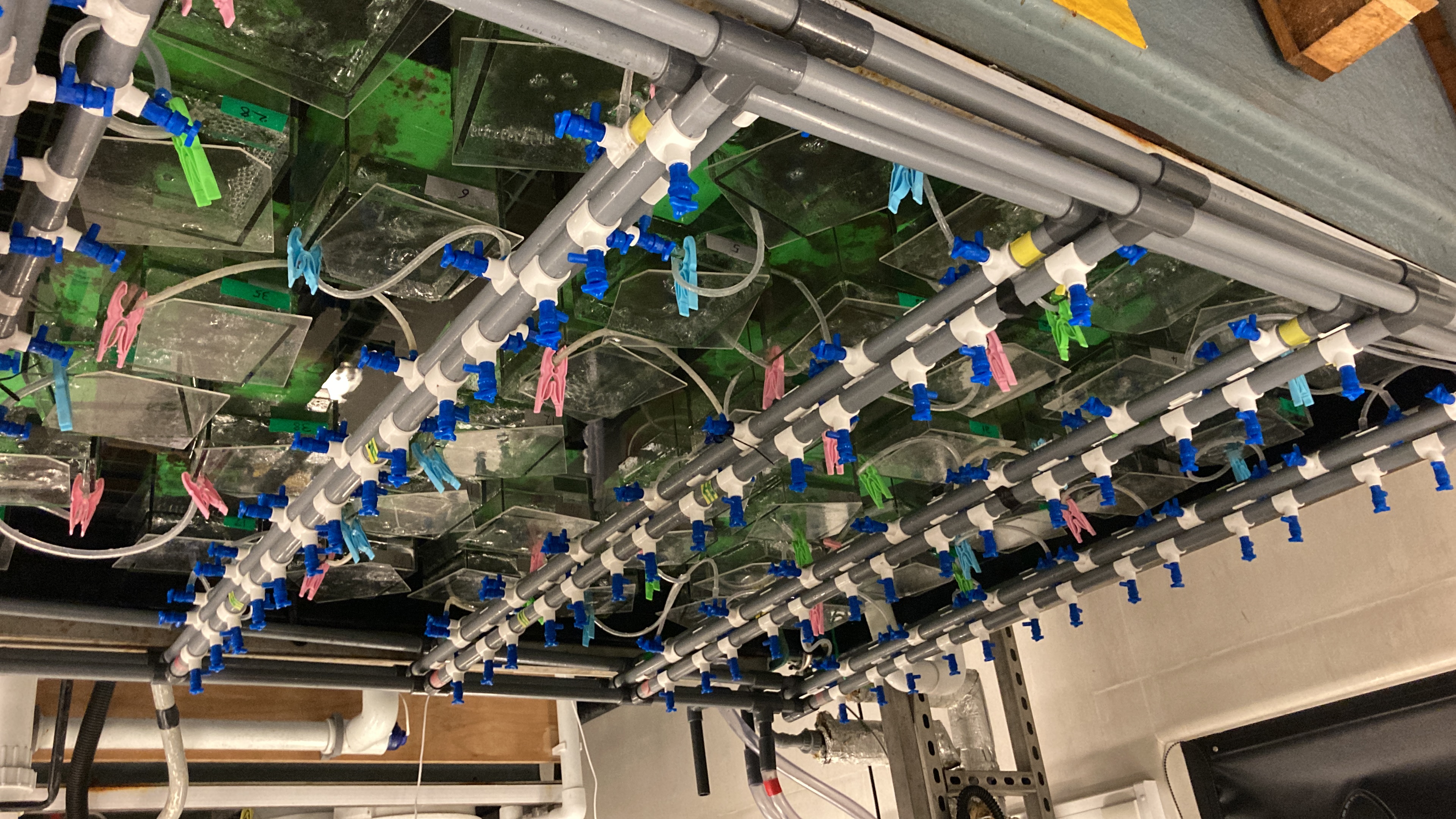
Implications of intraspecific trait variability across different environmental conditions for projections of marine ecosystem future
Completed (2024) · NERC Grant #NE/T001577/1
Individual animals of the same species can differ enormously in their traits and behaviours. I study what this variation means for how ecosystems function — and whether ignoring it leads us to mispredict how communities will respond to environmental change.
This project focuses on the impact of species diversity and biological traits on ecosystem responses to environmental changes. It aims to quantify traits affecting species' vulnerability and assess how trait variation influences ecosystem functioning. See related publications (Williams et al. 2024, Scientific Reports; Williams et al. 2024, Ecology and Evolution).
Learn more
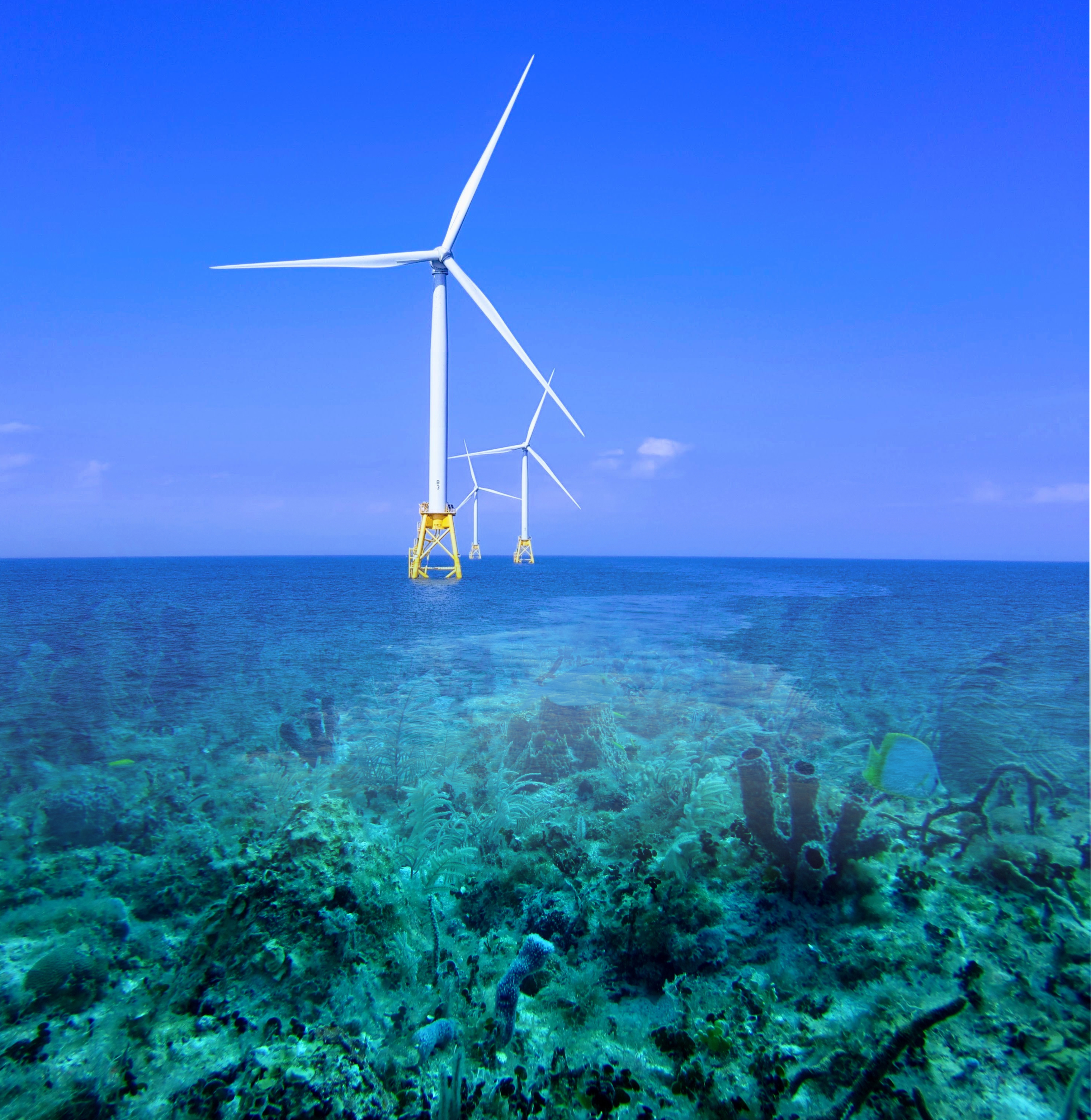
Geospatial mapping of impacts from offshore wind turbines on benthic community and heritage assets
Completed (2023)
As offshore wind farms multiply across UK waters, the seafloor beneath them — including ancient heritage sites — risks being overlooked. This project mapped the overlap between planned wind farm footprints and both ecological communities and submerged heritage assets, creating the spatial evidence base needed for better-informed marine planning decisions.
This project assesses the impact of offshore renewable energy (ORE) expansion on heritage sites and marine ecology to meet UK's net zero goals. See related publication (Putuhena, Williams et al. 2025, Scientific Data).
Learn more
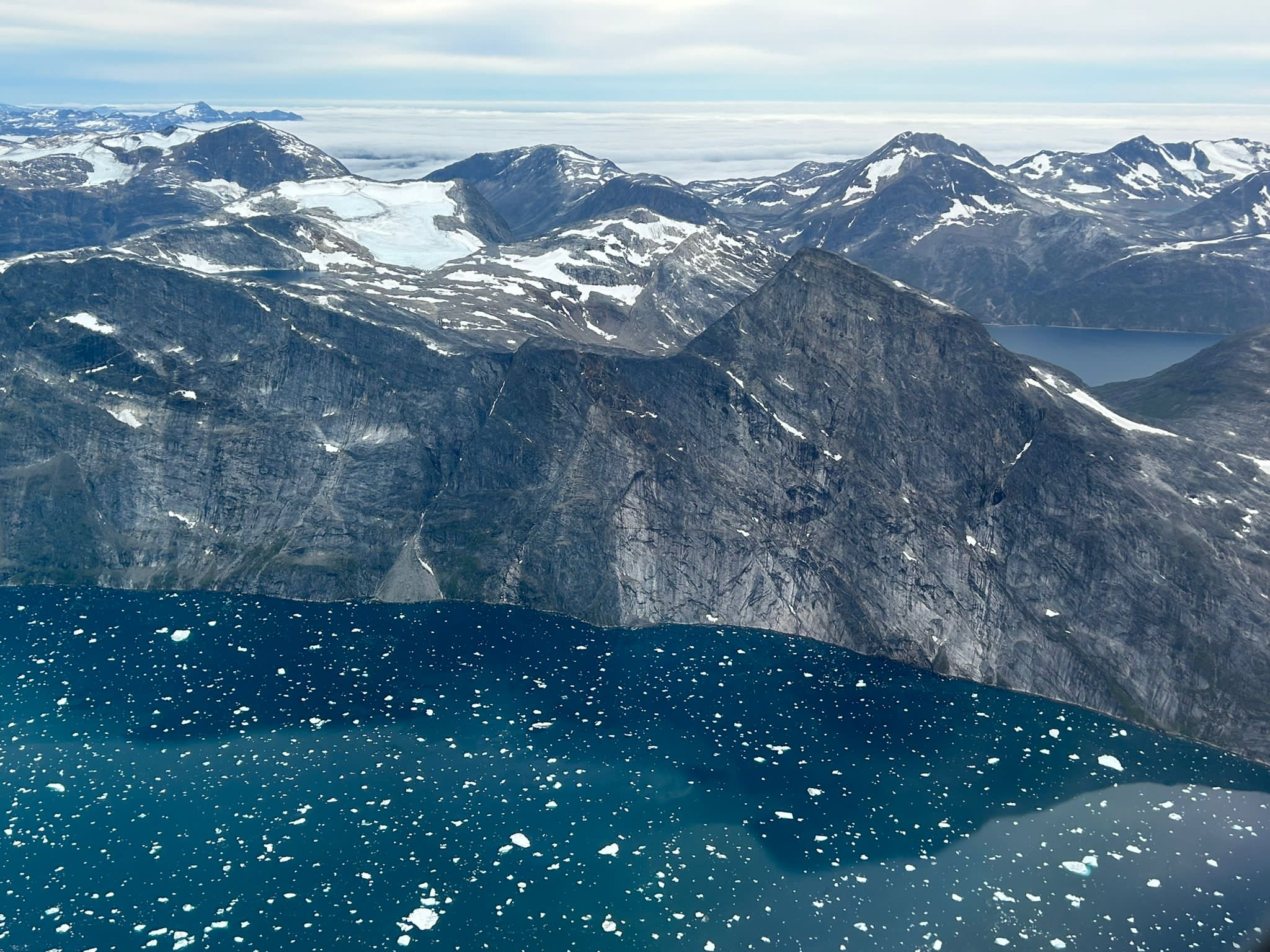
Building and enabling UK-Greenland research capacity to address effects of anthropogenic stressors on benthic ecosystems
Completed (2023)
The fjords of Greenland are among the most rapidly changing environments on Earth. This project built the first research partnerships and experimental capacity to study how warming and metal contamination are affecting the animals living on the seafloor there — and trained the next generation of researchers to sustain that work.
This project aims to assess the impacts of warming and metal contamination on Arctic ecosystems, particularly in the Greenland region, where understanding remains limited. Through experiments and community engagement, the project will equip researchers to anticipate ecological shifts and contribute to effective decision-making for local systems.
Learn more
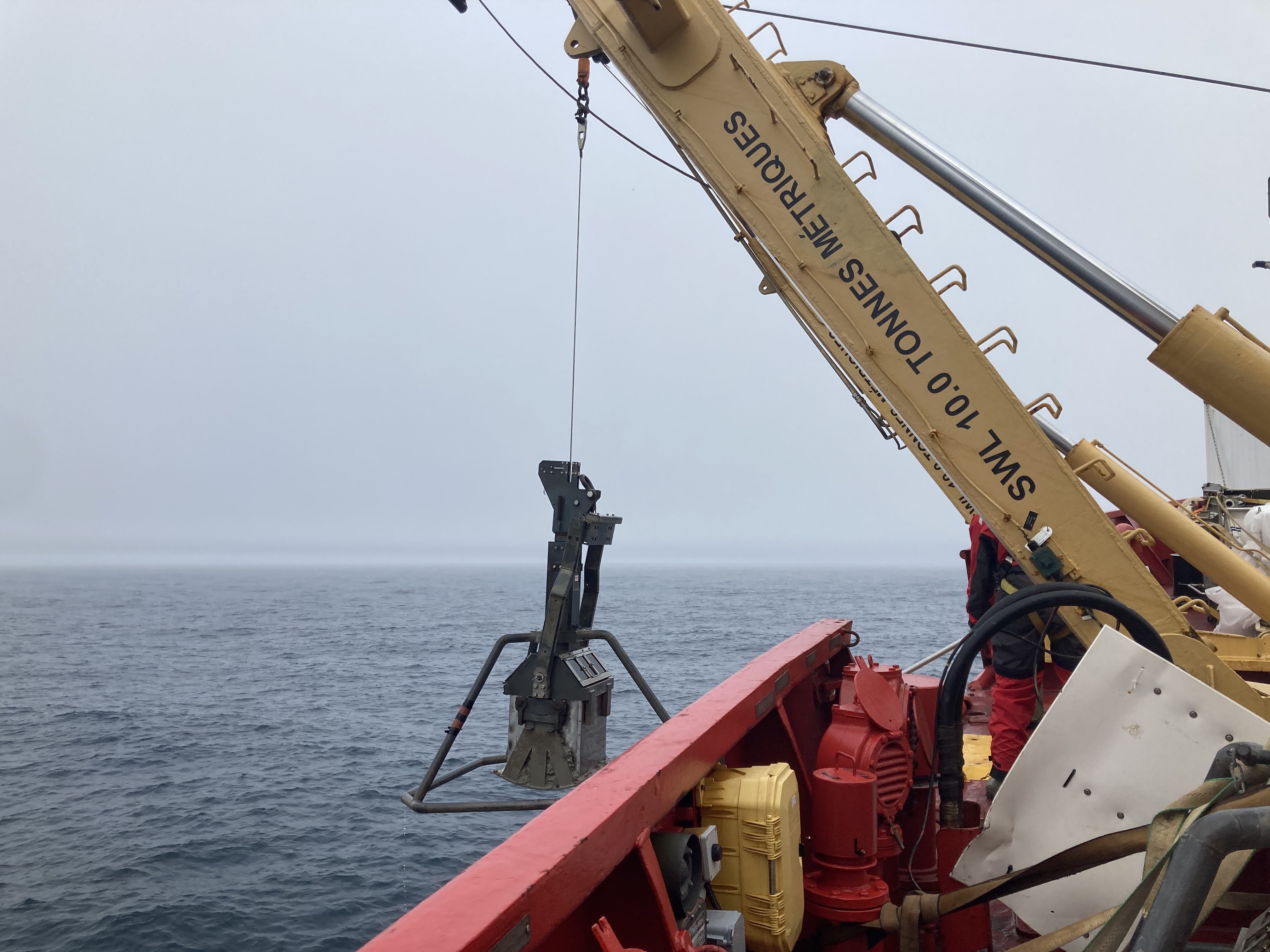
Ecological consequences of climatic forcing in the Arctic marine benthos
Completed — PhD thesis (2019–2023)
Climate change is reshaping Arctic marine ecosystems faster than almost anywhere else on the planet. My PhD asked how the invertebrates living on and in the seafloor respond to past, present, and projected future conditions — and what those responses mean for the functioning of the whole ecosystem.
The combined efforts of this PhD thesis explores the magnitude, direction and context of biological responses to past, present and future climate change – and their concomitant effects on benthic ecosystem functioning in one of the world's most rapidly changing environments.
Learn more
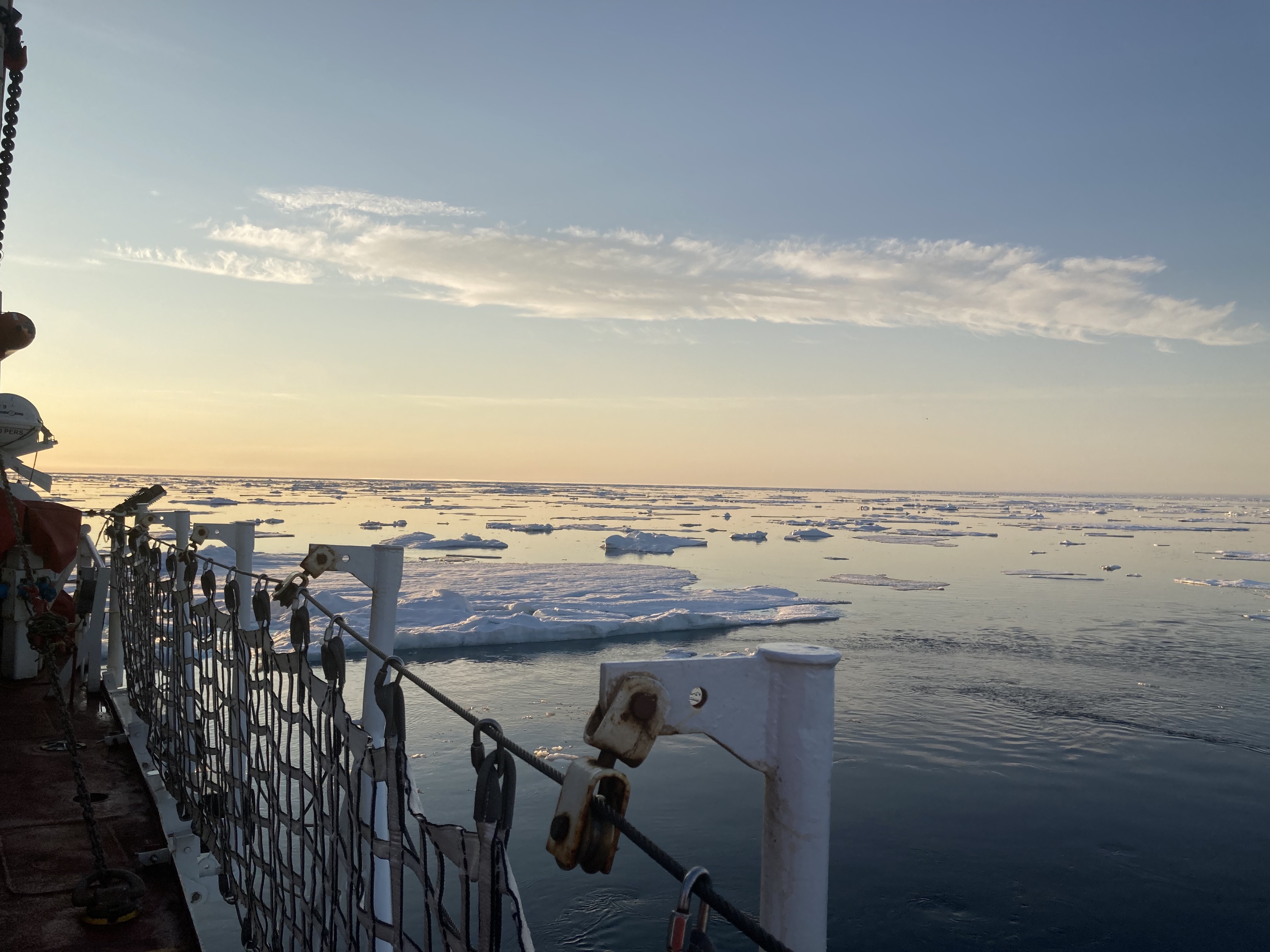
Building and enabling UK-Russian research capacity to address climate change effects on Arctic marine ecosystems
Completed (2020–2021)
The Arctic region is undergoing some of the most rapid rates of change in the world in response to climatic forcing, with dramatic transformations underway in the flora and fauna of coastal Arctic habitats that will affect many ecosystem properties and the delivery of ecosystem services.
Learn more
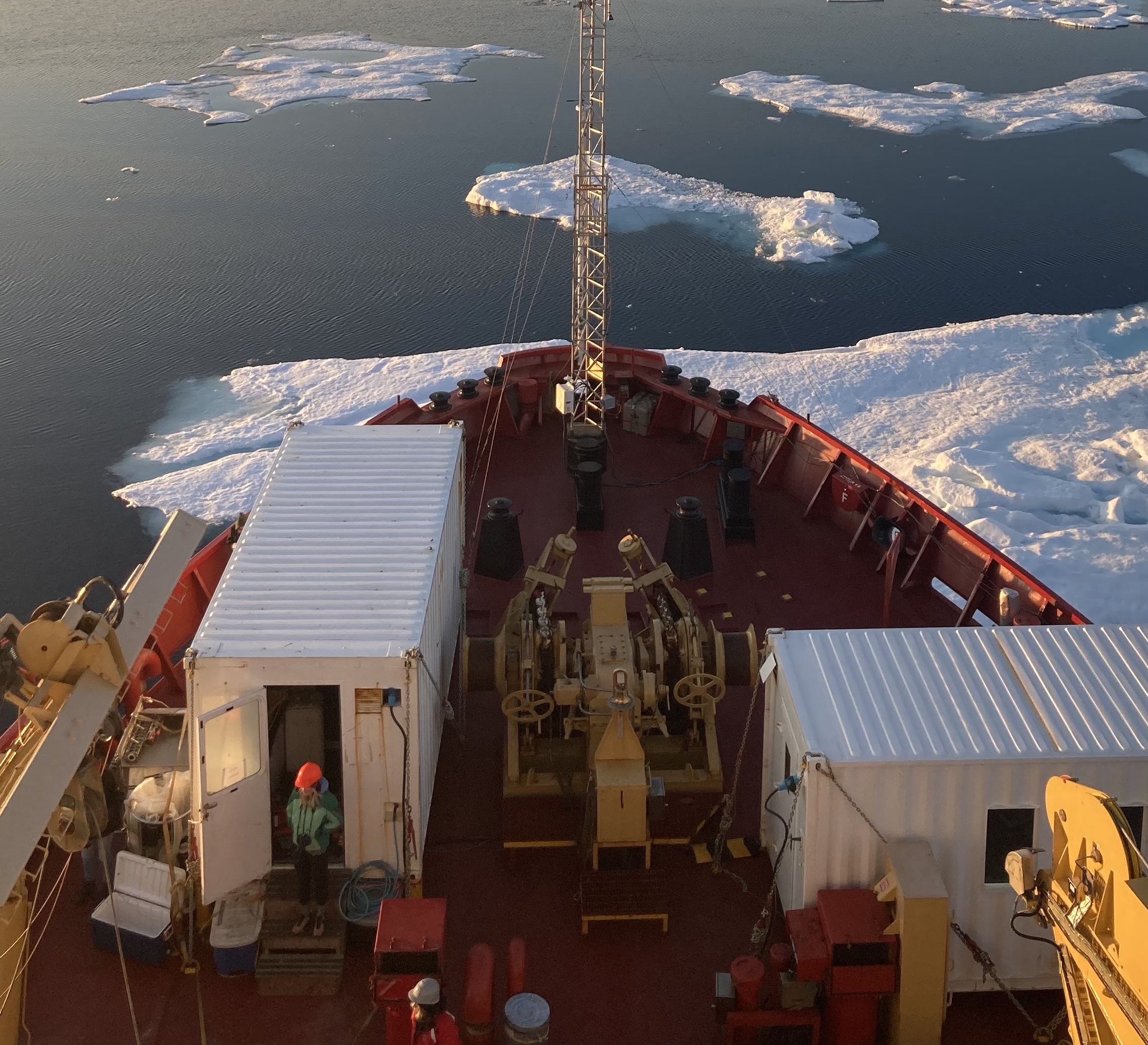
Amundsen 2021 Expedition
Completed (2021)
Deep-water corals in the Canadian Arctic are living archives of past ocean conditions — their skeletons record centuries of temperature and chemistry change. This expedition used an ROV to collect these corals from otherwise inaccessible habitats, providing material to reconstruct environmental change across one of the least-studied ocean regions on Earth.
Leg 2 of the expedition encompassed the use of the ROV to explore coral seep habitats and involved significant contributions to the esteemed ArcticNet project. The journey spanned from St. John's to Iqaluit, constituting a profound and noteworthy scientific endeavor. See related publications (Williams et al. 2024, Scientific Data; Williams et al. 2024, Chemical Geology).
Learn more
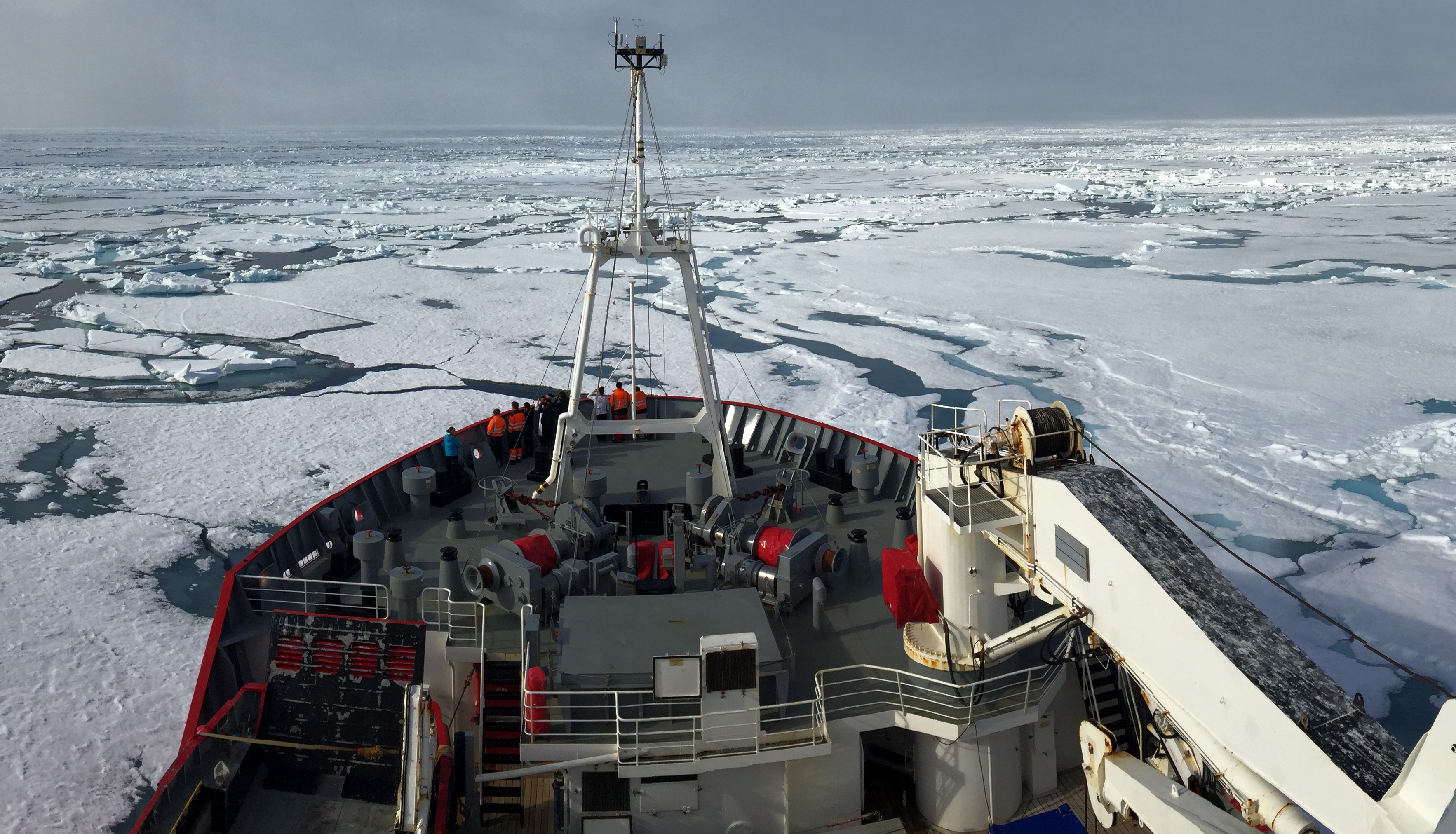
Changing Arctic Ocean Seafloor Cruise JR18006
Completed (2019)
Sea ice drives the ecology of Arctic seafloor communities — but the ice is retreating. This expedition sampled benthic communities across a sea-ice gradient in the Barents Sea to understand how species assemblages and ecosystem function change as ice disappears, providing baseline data for projecting future Arctic benthic change.
A multidisciplinary team of like-minded polar benthic scientists collecting physical, chemical and biological samples across a gradient of sea-ice. See related dataset (Williams et al. 2023, NERC EDS UK Polar Data Centre).
Learn more